With 4 to 10 hours of load-shedding a day in most cities, a good battery is no longer a luxury. The real question is lead-acid or lithium. Here is the plain comparison.
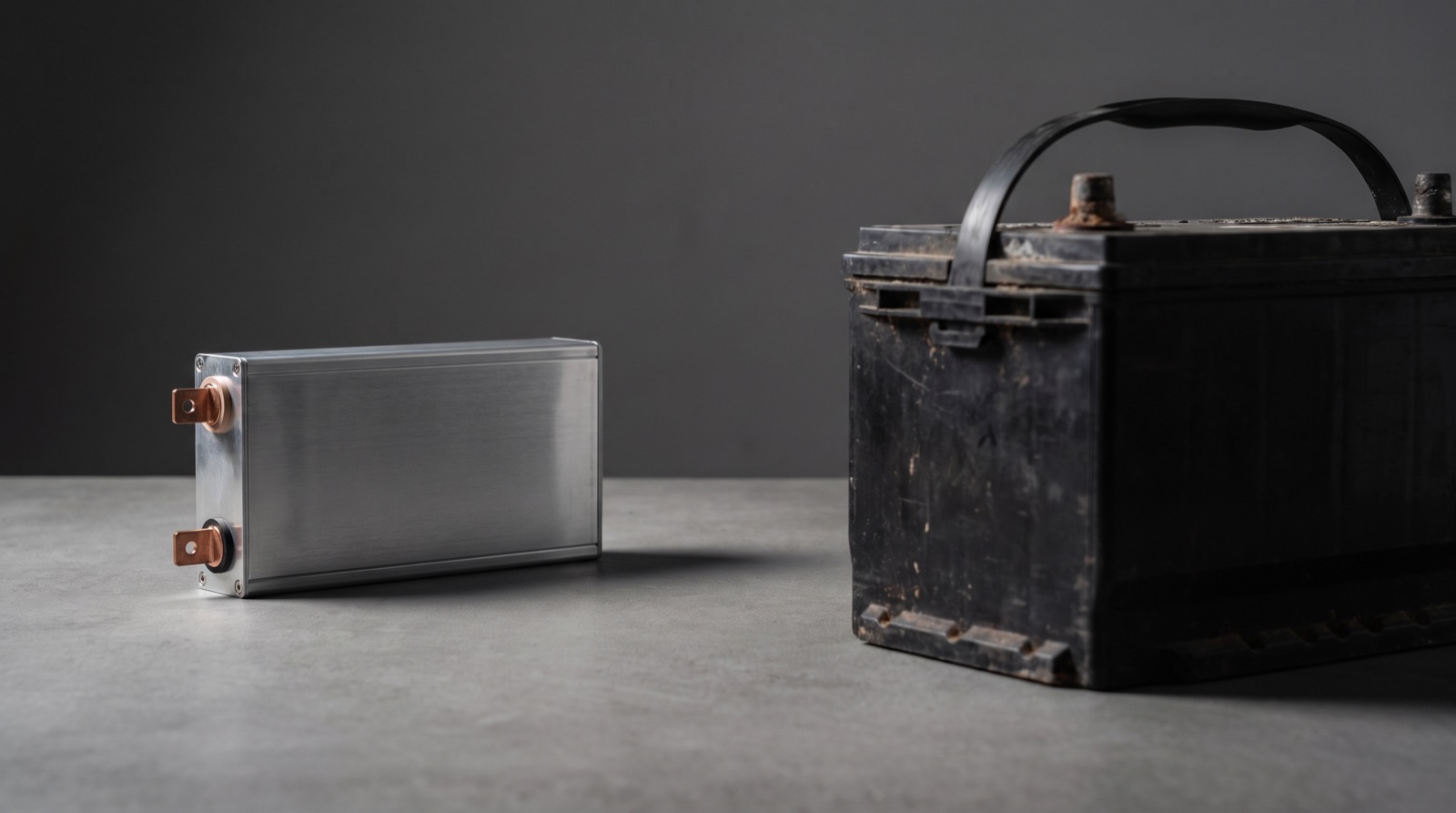
The big differences
- Lifespan: Lead-acid lasts 2–3 years (300–500 cycles). LFP lithium lasts 10–15 years (6,000+ cycles).
- Usable energy: You can only safely use ~50% of a lead-acid battery. With LFP you use 80–90% — so a smaller lithium gives the same backup.
- Heat: Lead-acid loses up to half its capacity at 45°C. LFP keeps about 90% in our summers.
- Charging: LFP charges in 2–3 hours; lead-acid takes 8–10. That matters when the grid is only on for a few hours.
How much backup do you need?
Work out your load in watts, then multiply by the hours you want. A typical home runs about 300W on essentials (fans, lights, fridge, TV). Add an inverter AC and it jumps to ~1,500W.
- 5 kWh bank: runs essentials for 6–8 hours, or a home + 1 AC for ~3 hours
- 10 kWh bank: runs a full home including an AC for 6+ hours
A 48V / 100Ah lithium bank is about 4.8 kWh — the sweet spot for a normal home with 4–6 hour outages.
The honest cost math
Lead-acid is cheaper to buy. But in Pakistan's heat and daily cycling it often dies every 12–18 months. Four replacements in five years and the "cheap" battery becomes the expensive one. A good LFP bank pays for itself in 3–4 years and then runs for another decade.
Why we only sell LFP
We build banks from genuine EVE Grade-A LFP cells — the safest lithium chemistry, stable in heat, with a scannable QR code so you know they're real, not grade-B market stock.