Every guide to buying lithium cells in Pakistan tells you the same thing: scan the QR code. We published that advice ourselves. It is no longer enough, and anyone selling cells at volume already knows why.
Why the QR code stopped being proof
The code on the side of a prismatic cell is laser-etched. Etching a new one is not difficult and not expensive. In the trade it is a routine service, bought for around a dollar a cell — less in quantity.
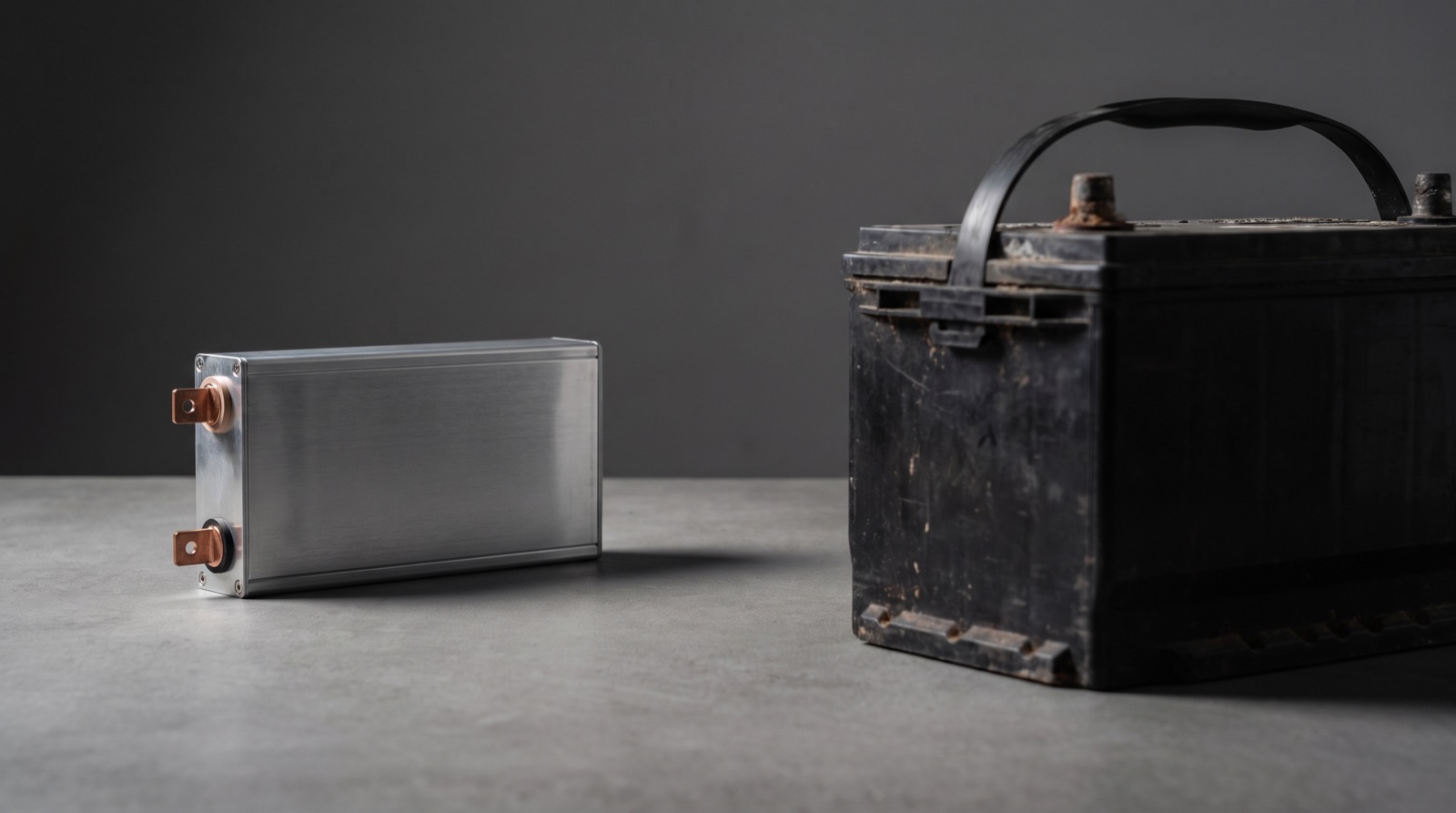
That matters because of where used cells come from. A cell pulled out of an electric bus or a retired storage bank is still a physical cell. Clean it, re-wrap it, etch a fresh code, and it scans. The code you check will look correct because it is correct. It simply does not describe the cell you are holding.
The same applies to Grade B stock. EVE marks cells that fail its own checks, and a seller who wants them to look like Grade A has one small mark and one code to deal with.
What actually holds up: the batch test report
Ask for the test report for the batch you are buying. Not a sample report, not last year's, not one for a different shipment. The report that belongs to the cells going into your pack.
A real report lists every cell in the batch, individually. For each cell it gives at minimum:
- Measured capacity in Ah, from an actual discharge — not the number printed on the label.
- Internal resistance in milliohms, which is what separates a healthy cell from a tired one.
- Open-circuit voltage at the time of testing.
- The cell serial, so each row ties back to a physical cell you can pick up.
This is harder to fake than a code for a simple reason: it is long, it is specific, and it has to survive contact with reality. You can check it against the cells in front of you.
How to read a report in two minutes
You do not need to be an engineer. Three things tell you whether a report was measured or invented.
- Look at the spread. Real measurements vary. Capacities that all read exactly 100.0 Ah, or resistances identical to two decimals down the whole column, were typed by a person, not produced by a tester.
- Check the count. The report should have as many rows as there are cells in the batch. A one-page summary for a container is a summary, not a test.
- Match a serial. Pick a cell at random, read its serial, and find that row. If you cannot, the report does not belong to these cells.
Then test them yourself
The report tells you what the seller measured. Your own bench tells you what arrived. Before you pay, or before you build, check a sample:
- Resting voltage across every cell. A batch that has been stored properly sits in a tight band.
- Internal resistance on a few cells, compared against the report.
- One full capacity cycle on at least one cell if the order is large enough to justify it.
If your numbers and the report broadly agree, you have a batch you can build with. If they do not, you have found out before the cells are welded into a pack and sold to your own customer.
The physical checks still have a use
None of this makes the older checks worthless. A missing safety valve, a ground-off mark, a code of the wrong length, mismatched wrap — these still catch careless fakes quickly and cost you nothing. Use them as a first pass. We wrote them up in detail in how to check if your EVE cells are genuine.
The change is in what you conclude from them. Passing the physical checks means the cell is not an obvious fake. It does not mean the cell is new.
Four questions to ask any seller
- Can you send the test report for this specific batch?
- Does it list every cell, with capacity and internal resistance?
- Can I check a serial from the report against a cell before I pay?
- If my own test disagrees with your report, what happens?
A seller who imports their own stock can answer all four without hesitating. A seller who bought from someone else, who bought from someone else, usually cannot answer the first.
Where Voltec stands
We import our cells ourselves and we sell them by the carton of eight. Every carton ships with the test report for its batch, the codes are yours to scan before you pay, and you are welcome to test at our Abid Market showroom in Lahore before the cells leave the counter.
That is the whole claim. Not that our codes are more real than anyone else's, but that there is a document behind them and you are allowed to check it.